
Drake vs. UMG: Case Dismissed
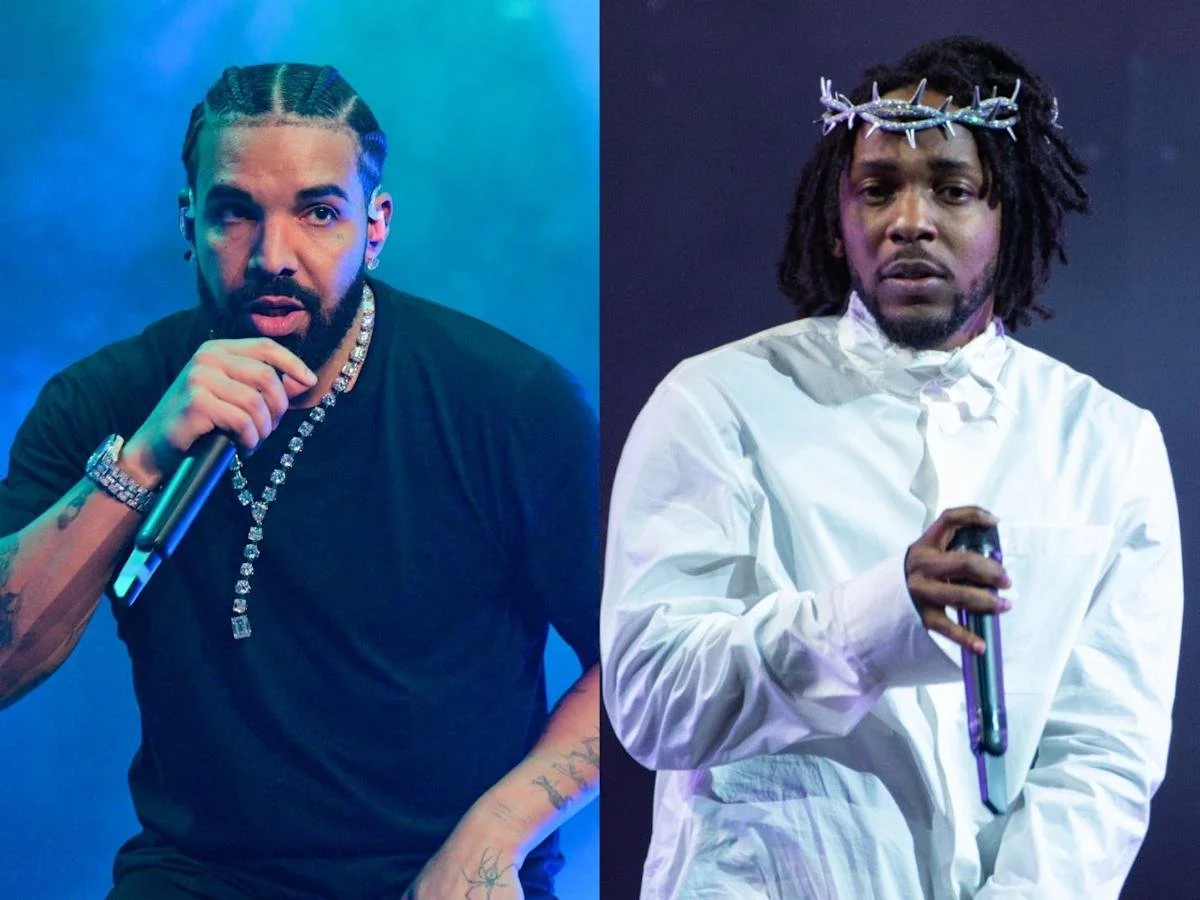
In one of the most closely watched entertainment law disputes of the year, a federal judge in the Southern District of New York dismissed Aubrey Drake Graham v. UMG Recordings, Inc., the defamation lawsuit filed by Drake against Universal Music Group (UMG). The case stemmed from Kendrick Lamar’s “Not Like Us”, which Drake claimed falsely portrayed him as a pedophile and caused serious harm to his reputation.
The court’s decision sheds light on the boundaries of defamation law, the protection of artistic speech, and the complex intersection between free expression and commercial promotion in the modern music industry.
DRAKE’S CLAIMS
Drake’s lawsuit alleged that UMG not only distributed and profited from “Not Like Us” but also actively boosted the song’s visibility across platforms to amplify its impact.
His legal team claimed UMG:
Offered discounted licensing rates to Spotify to secure favorable playlist placement for “Not Like Us”;
Employed bots and stream-inflation tactics to artificially increase streaming numbers;
Engaged in potential pay-to-play or payola schemes to ensure radio saturation;
Paid influencers and online promoters to drive visibility on social media;
And even arranged for Apple’s Siri to redirect users searching for Drake’s own songs to “Not Like Us.”
Drake argued that these tactics intentionally magnified the song’s reach and public impact, exacerbating the reputational harm caused by the allegedly defamatory lyrics and cover art.
COURT’S ANALYSIS
Judge Jeannette A. Vargas dismissed the case, finding that none of the song’s lyrics, imagery, or promotional activity constituted actionable defamation.
The court’s reasoning rested on several core legal principles:
Artistic Expression and Opinion Are Protected Speech: The judge held that even though the lyrics were harsh and inflammatory, they were not factual statements but artistic opinion and rhetorical hyperbole. In the context of a musical feud between two artists known for provocative language, a reasonable listener would not interpret the statements as literal accusations.
The Reasonable Listener Standard: Under defamation law, courts assess how an “average listener” would interpret a statement. Here, the judge concluded that listeners would recognize “Not Like Us” as a creative work of art—not as a factual assertion that Drake committed a crime. The use of exaggerated imagery and symbolic cover art further reinforced that the content was expressive, not factual.
Actual Malice and the Public Figure Standard: As a global celebrity, Drake is a public figure and thus subject to the high “actual malice” standard. He was required to prove that UMG knowingly spread false information or acted with reckless disregard for the truth. The complaint, however, did not present sufficient factual evidence of such intent.
Promotional Conduct Didn’t Create Defamation Liability: The court also dismissed the argument that UMG’s alleged boosting or promotional conduct could transform protected speech into defamation. Even if UMG aggressively promoted “Not Like Us,” the judge reasoned, promotion of non-defamatory expression remains protected under the First Amendment. The court declined to weigh in on the truth of the boosting allegations themselves, noting that they did not alter the legal nature of the underlying speech.
UNPROVEN ALLEGATIONS
While the dismissal centered on the First Amendment, the court did acknowledge that Drake had included a series of allegations suggesting that UMG artificially boosted or manipulated the exposure of “Not Like Us.” These allegations were not proven and largely remained assertions made “on information and belief.”
UMG denied the claims, and the court did not find sufficient factual support to treat them as actionable under defamation or New York’s General Business Law § 349 (which prohibits deceptive business practices).
Importantly, even if such boosting had occurred, it would not have changed the ruling, since the underlying speech (song and lyrics) was still considered protected expression.
INDUSTRY IMPLICATIONS
The dismissal of Aubrey Drake Graham v. UMG Recordings, Inc. highlights several key takeaways for artists, public figures, and entertainment professionals:
Context Matters: Courts will always consider the medium and setting. In artistic or entertainment contexts, hyperbole and metaphor are typically protected speech.
High Burden for Public Figures: Celebrities must meet the actual malice standard—one of the most demanding in all of civil law.
Promotion ≠ Defamation: Even aggressive marketing or distribution of expressive content does not make a publisher liable if the content itself is legally protected.
Evidence Is Crucial: Allegations of unethical promotion or stream manipulation may raise business-ethics concerns, but without verifiable proof, they rarely survive dismissal.
CONCLUSION
The dismissal of Drake’s defamation suit underscores a foundational principle of American law: the right to free expression must be vigorously protected. The court reaffirmed that context, audience perception, and artistic intent are central to determining whether statements cross the line into defamation.
At the same time, the case raises interesting questions about the evolving landscape of music promotion, digital streaming, and brand management in the social media era.
As platforms and labels gain increasing control over visibility and reach, the line between creative expression and commercial influence continues to blur.
