
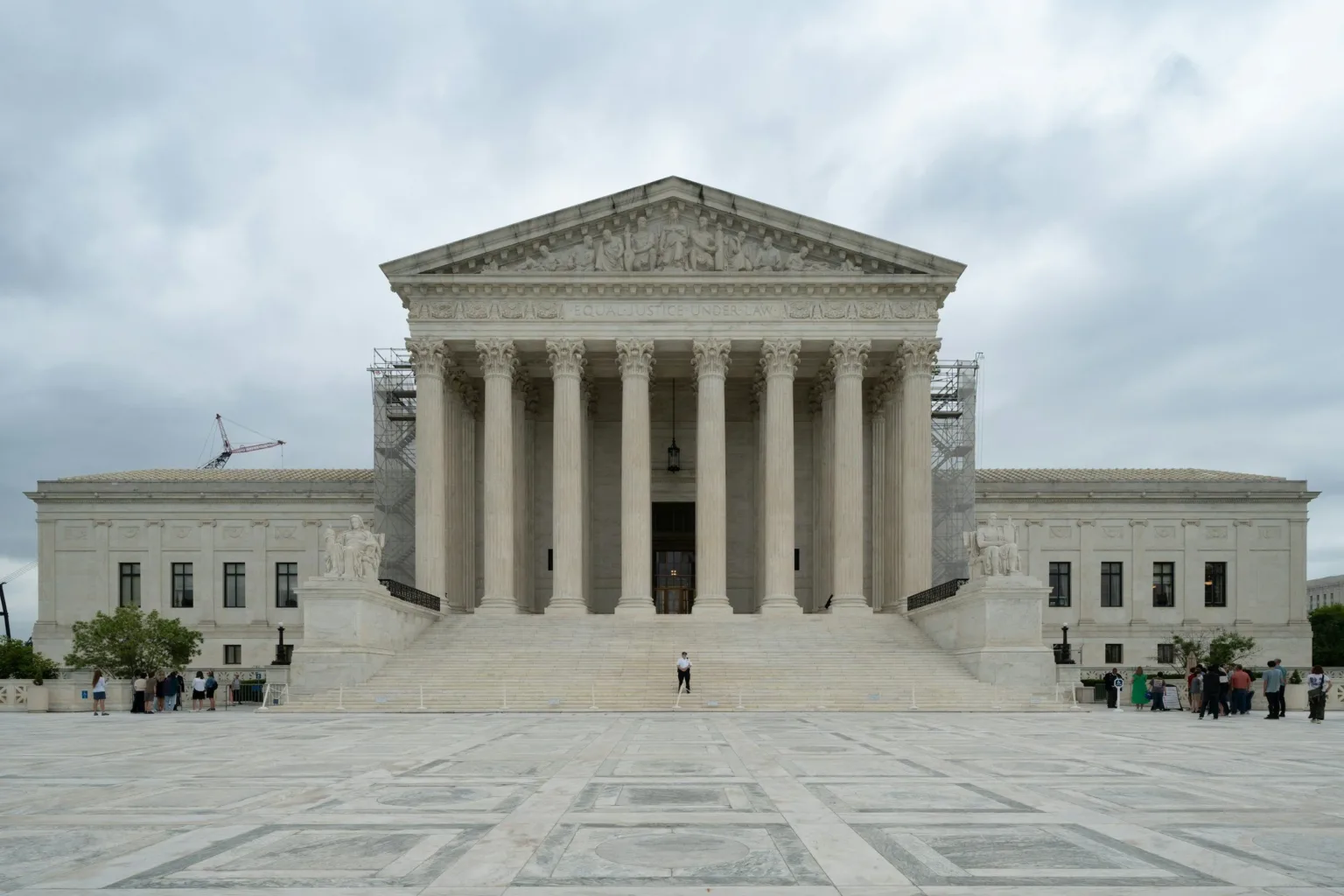
In June 2025, the U.S. Supreme Court issued a unanimous decision in Ames v. Ohio Department of Youth Services, resolving a long-standing split among lower courts over how discrimination claims are evaluated under Title VII of the Civil Rights Act.
The ruling has direct implications for employers and employees nationwide, including businesses throughout New York, by confirming that all discrimination claims are subject to the same legal standard, regardless of whether the claimant belongs to a majority or minority group.
Supreme Court’s Decision
On June 5, 2025, the Court rejected the so-called “background circumstances” rule, which had required majority-group employees to meet a higher evidentiary burden when alleging discrimination.
Under the Court’s ruling:
- Title VII applies equally to all employees
- Courts may not impose heightened proof requirements based on group status
- Discrimination claims must be evaluated under a uniform legal standard
The Court emphasized that the statute’s text does not distinguish between majority and minority plaintiffs and that equal protection under the law requires consistent application.
Why the Ruling Matters
Prior to Ames, some courts required majority-group plaintiffs to prove additional facts suggesting systemic bias before allowing claims to proceed. The Supreme Court made clear that such distinctions are inconsistent with Title VII.
The decision reinforces a core principle of employment law: employment decisions must be based on lawful, nondiscriminatory factors, regardless of who brings the claim.
Implications for Businesses
1. Increased Litigation Exposure
- Because all employees now face the same burden of proof, employers may see an increase in discrimination claims. Courts will no longer dismiss claims at early stages based on the claimant’s group status.
2. Documentation & Decision-Making
Employers should ensure that:
- Hiring, promotion, and termination decisions are well-documented
- Employment actions are tied to objective, job-related criteria
- Internal policies are applied consistently
Implications for Employees
- Employees now have clear confirmation that Title VII protections apply equally, without additional evidentiary hurdles.
- Whether alleging discrimination in hiring, promotion, discipline, or termination, employees may pursue claims under a consistent legal framework focused on fairness and equal treatment.
Practical Takeaways
- Equal standards apply to all discrimination claims under federal law
- Employers should proactively review policies and documentation practices
- Employees should understand their rights and available remedies
The Ames decision underscores the importance of neutrality, consistency, and transparency in workplace decision-making.
Conclusion
Ames v. Ohio Department of Youth Services provides long-awaited clarity on how discrimination claims are evaluated under Title VII. While the ruling promotes uniformity and fairness, it also places renewed emphasis on compliance and risk management for employers.
If you have questions about workplace practices or employment rights, contact our office.
This content is provided for informational purposes only and does not constitute legal advice.