
News

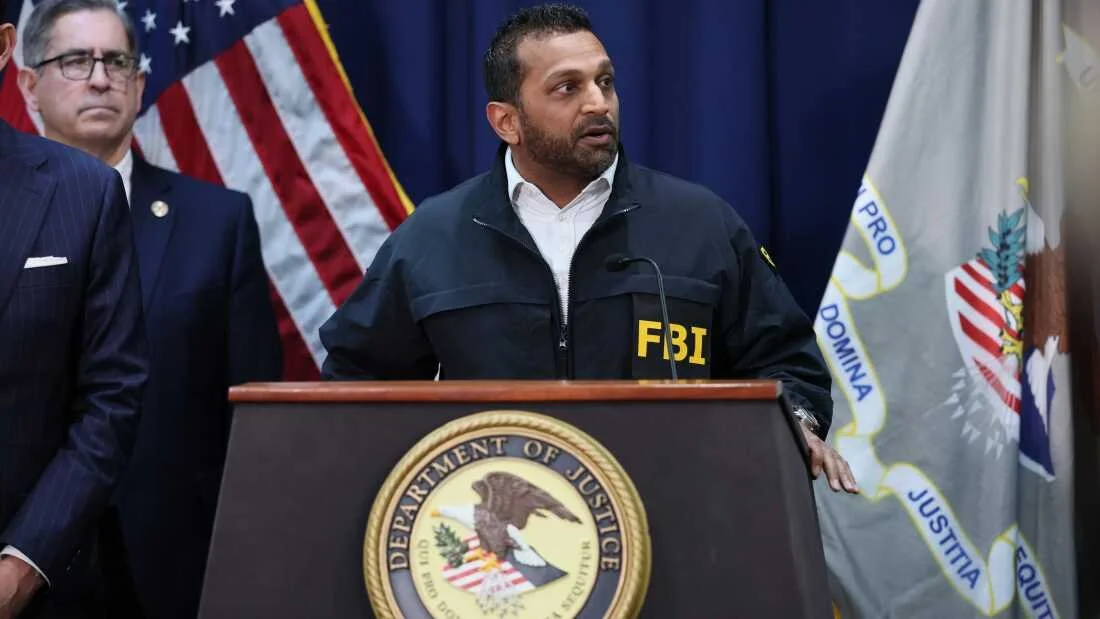
On October 23, 2025, federal authorities announced a series of arrests arising from two related but legally distinct criminal investigations involving professional basketball figures. The cases focus on (1) the misuse of non-public information in sports betting markets and (2) an alleged illegal high-stakes gambling operation tied to organized crime.

Together, the prosecutions underscore growing enforcement attention on the intersection of professional sports, legalized betting markets, and underground gambling enterprises.

Case One: Sports Betting & Insider Information

  • Federal prosecutors allege that a network of current and former NBA players provided non-public information to bettors, enabling wagers based on inside knowledge rather than public performance metrics. According to the indictment, at least seven NBA games between February 2023 and March 2024 were targeted using such information.
  • One defendant, Miami Heat player Terry Rozier, was arrested in Orlando on October 23, 2025. Prosecutors allege that bettors placed large wagers on player performance “under” bets after receiving advance notice that Rozier would leave games early due to injury or limited participation.
  • The charges include conspiracy to commit wire fraud and conspiracy to commit money laundering.

Legal Analysis

a) Use of Non-Public Information in Prop Betting

  • While much of sports-gambling enforcement historically focuses on unlicensed bookmakers or match-fixing, this case centers on a more nuanced allegation: exploiting non-public player information to gain an unfair advantage in regulated betting markets.
  • Although sports betting is not governed by securities law, prosecutors rely on wire-fraud statutes, which broadly prohibit schemes to defraud using interstate communications. Where illicit proceeds are transferred, concealed, or structured, money-laundering charges often follow.

b) League Governance & Integrity Risks

  • Beyond criminal exposure, professional leagues face significant governance concerns when insiders share confidential information affecting betting markets. Such conduct undermines public confidence in fair competition and may trigger disciplinary action independent of criminal proceedings.
  • From a compliance perspective, leagues must balance player privacy, injury reporting, and cooperation with sportsbooks and regulators.

c) Evidentiary Challenges

  • Prosecutors must establish that players knowingly provided non-public information, that bettors relied on that information, and that the information directly influenced wagering decisions. Defense counsel have already suggested that the league review previously cleared certain individuals, signaling contested factual and procedural issues ahead.

Case Two: Alleged Illegal High-Stakes Poker Operation

  • A separate federal case alleges the operation of an illegal high-stakes poker business involving sophisticated cheating technology. Prosecutors claim the enterprise used altered shuffling machines, off-site operators, and signaling systems to defraud participants.
  • NBA figures, including coach Chauncey Billups and former player Damon Jones, have been named in connection with the investigation. The charges include operating an illegal gambling business, wire fraud, money laundering, and related offenses.

Legal Analysis: Illegal Gambling & Racketeering Exposure

a) Unlicensed Gambling Operations

  • Under federal law, operating an unlicensed gambling business involving substantial revenue or multiple participants can result in serious criminal penalties. The alleged use of cheating devices further exposes participants to fraud-based charges.

b) Reputational & Organizational Risk

  • Even where conduct does not directly affect league games, involvement in criminal gambling enterprises presents reputational and governance risks for professional sports organizations. Leagues may impose sanctions independent of the criminal process to protect institutional integrity.

Broader Implications

Viewed together, these cases reflect heightened enforcement scrutiny in areas where regulated sports betting, insider information, and underground gambling overlap. For leagues, teams, sportsbooks, and regulators, the investigations raise critical questions about monitoring, compliance, and information control.

Organizations operating in highly regulated or high-visibility environments should take note: legal exposure often arises not from headline conduct, but from secondary behaviors involving information sharing, financial transfers, and informal networks.

Final Thoughts

These prosecutions highlight how rapidly evolving betting markets create new enforcement challenges. Jurisdiction, information control, and financial transparency remain central issues for regulators and industry participants alike.

For businesses and individuals operating in regulated environments—or where financial activity intersects with public trust—early legal guidance can help identify risk, ensure compliance, and avoid costly disputes.

This post is for informational purposes only and does not constitute legal advice.

NBA Gambling Investigations: Betting, Insider Info & Legal Risk

On October 23, 2025, federal authorities announced a series of arrests arising from two related but legally distinct criminal investigations involving professional basketball figures. The cases focus on (1) the misuse of non-public information in sports betting markets and (2) an alleged illegal high-stakes gambling operation tied to organized crime.

Together, the prosecutions underscore growing enforcement attention on the intersection of professional sports, legalized betting markets, and underground gambling enterprises.

Case One: Sports Betting & Insider Information

  • Federal prosecutors allege that a network of current and former NBA players provided non-public information to bettors, enabling wagers based on inside knowledge rather than public performance metrics. According to the indictment, at least seven NBA games between February 2023 and March 2024 were targeted using such information.
  • One defendant, Miami Heat player Terry Rozier, was arrested in Orlando on October 23, 2025. Prosecutors allege that bettors placed large wagers on player performance “under” bets after receiving advance notice that Rozier would leave games early due to injury or limited participation.
  • The charges include conspiracy to commit wire fraud and conspiracy to commit money laundering.

Legal Analysis

a) Use of Non-Public Information in Prop Betting

  • While much of sports-gambling enforcement historically focuses on unlicensed bookmakers or match-fixing, this case centers on a more nuanced allegation: exploiting non-public player information to gain an unfair advantage in regulated betting markets.
  • Although sports betting is not governed by securities law, prosecutors rely on wire-fraud statutes, which broadly prohibit schemes to defraud using interstate communications. Where illicit proceeds are transferred, concealed, or structured, money-laundering charges often follow.

b) League Governance & Integrity Risks

  • Beyond criminal exposure, professional leagues face significant governance concerns when insiders share confidential information affecting betting markets. Such conduct undermines public confidence in fair competition and may trigger disciplinary action independent of criminal proceedings.
  • From a compliance perspective, leagues must balance player privacy, injury reporting, and cooperation with sportsbooks and regulators.

c) Evidentiary Challenges

  • Prosecutors must establish that players knowingly provided non-public information, that bettors relied on that information, and that the information directly influenced wagering decisions. Defense counsel have already suggested that the league review previously cleared certain individuals, signaling contested factual and procedural issues ahead.

Case Two: Alleged Illegal High-Stakes Poker Operation

  • A separate federal case alleges the operation of an illegal high-stakes poker business involving sophisticated cheating technology. Prosecutors claim the enterprise used altered shuffling machines, off-site operators, and signaling systems to defraud participants.
  • NBA figures, including coach Chauncey Billups and former player Damon Jones, have been named in connection with the investigation. The charges include operating an illegal gambling business, wire fraud, money laundering, and related offenses.

Legal Analysis: Illegal Gambling & Racketeering Exposure

a) Unlicensed Gambling Operations

  • Under federal law, operating an unlicensed gambling business involving substantial revenue or multiple participants can result in serious criminal penalties. The alleged use of cheating devices further exposes participants to fraud-based charges.

b) Reputational & Organizational Risk

  • Even where conduct does not directly affect league games, involvement in criminal gambling enterprises presents reputational and governance risks for professional sports organizations. Leagues may impose sanctions independent of the criminal process to protect institutional integrity.

Broader Implications

Viewed together, these cases reflect heightened enforcement scrutiny in areas where regulated sports betting, insider information, and underground gambling overlap. For leagues, teams, sportsbooks, and regulators, the investigations raise critical questions about monitoring, compliance, and information control.

Organizations operating in highly regulated or high-visibility environments should take note: legal exposure often arises not from headline conduct, but from secondary behaviors involving information sharing, financial transfers, and informal networks.

Final Thoughts

These prosecutions highlight how rapidly evolving betting markets create new enforcement challenges. Jurisdiction, information control, and financial transparency remain central issues for regulators and industry participants alike.

For businesses and individuals operating in regulated environments—or where financial activity intersects with public trust—early legal guidance can help identify risk, ensure compliance, and avoid costly disputes.

This post is for informational purposes only and does not constitute legal advice.

Website developed in accordance with Web Content Accessibility Guidelines 2.2.
If you encounter any issues while using this site, please contact us: 718.500.1093