
The trade of Micah Parsons from the Dallas Cowboys to the Green Bay Packers offers a clear example of how informal negotiations and breakdowns in representation can derail even the most valuable professional relationships.
Although headlines focused on the historic contract Parsons signed after the trade, the events leading up to his departure underscore broader legal principles that extend well beyond professional sports. In particular, the situation highlights the importance of formal negotiation processes, recognized representation, and enforceable agreements.
Informal Discussions & Disputed Agreements
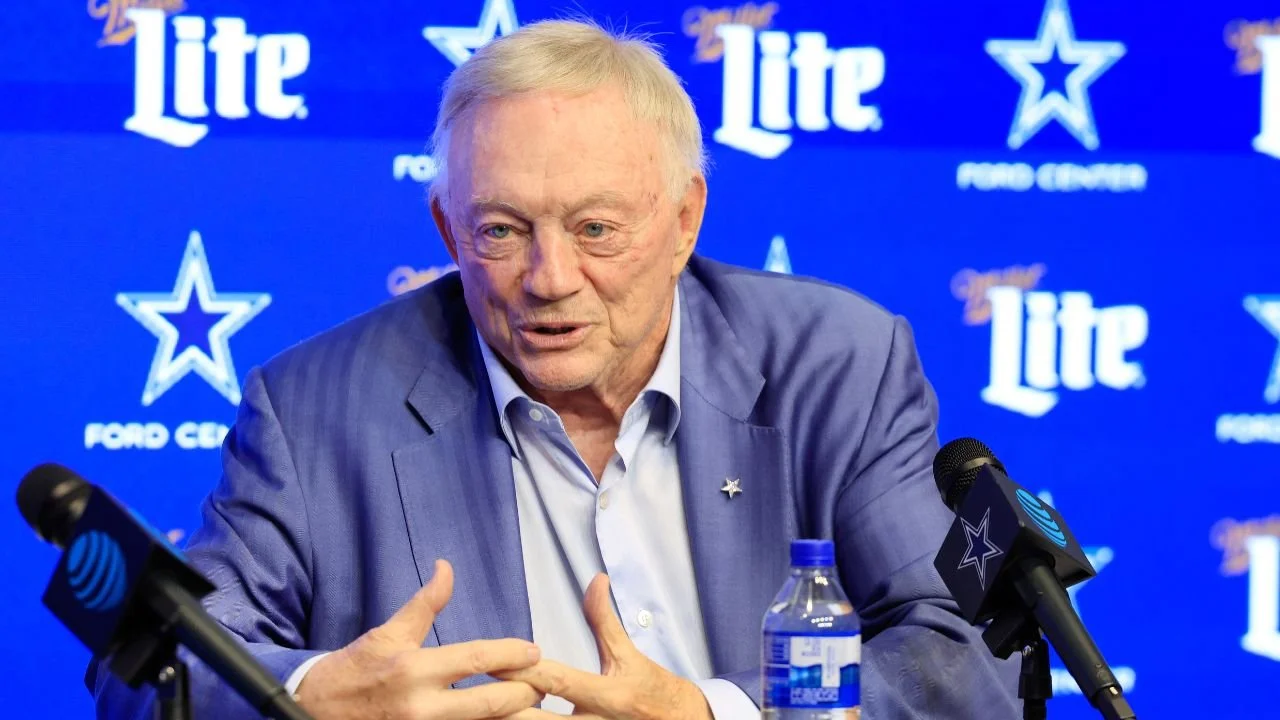
Earlier in 2025, Micah Parsons and Dallas Cowboys owner Jerry Jones held informal discussions regarding a potential contract extension. Jones later characterized those conversations as a “handshake deal” reached in March.
Parsons publicly rejected that characterization. He explained that no formal negotiation occurred because the Cowboys did not engage his agent, David Mulugheta of Athletes First. According to Parsons, the team never presented a written offer through his agent, and no authorized negotiations took place.
In the NFL, contract negotiations typically occur through certified agents under the league’s Collective Bargaining Agreement. As a result, informal discussions without agent involvement rarely carry legal or procedural weight.
Breakdown & Escalation
When extension talks stalled, the Cowboys elected to move forward with a trade. On August 28, 2025, Dallas traded Parsons to the Green Bay Packers in exchange for:
- Two first-round draft picks (2026 and 2027), and
- Pro Bowl defensive tackle Kenny Clark
Shortly after the trade, Parsons signed a four-year, $188 million contract with Green Bay, including approximately $136 million guaranteed. The deal made him the highest-paid non-quarterback defensive player in NFL history at the time of signing.
Public statements from both sides remained measured. Parsons described the outcome as disappointing but professional, while Jones framed the dispute as a breakdown over principles rather than compensation.
Legal Insights & Contractual Takeaways
Informal Agreements Are Not Enforceable
- Handshake deals have little legal value in regulated industries like professional sports. Without a written agreement negotiated through authorized representation, no enforceable contract exists.
Agent Representation Serves a Legal Function
- NFL agents do more than negotiate numbers. They ensure compliance with league rules, protect player interests, and create enforceable agreements. Excluding an authorized agent undermines the legitimacy of negotiations and increases legal risk.
Process Failures Shift Leverage Quickly
- What began as extension discussions ended in a blockbuster trade. Once negotiations broke down, leverage shifted rapidly, reshaping both Parsons’ career trajectory and the Cowboys’ long-term roster strategy.
Broader Implications Beyond Sports
Although this dispute unfolded in the NFL, the lessons apply broadly. In any high-stakes contractual relationship, informal discussions without structure invite misunderstanding and conflict. Clear communication, defined negotiation channels, and documented agreements are essential. When parties bypass those safeguards, even well-intentioned conversations can lead to costly outcomes.
Final Thoughts
The Micah Parsons trade demonstrates that outcomes hinge not only on talent and compensation, but also on legal process. In environments governed by collective agreements and complex contracts, skipping formalities carries real consequences.
For organizations and individuals alike, the takeaway is straightforward: sound negotiation practices and enforceable agreements are not optional—they are essential.
This post is for informational purposes only and does not constitute legal advice.