
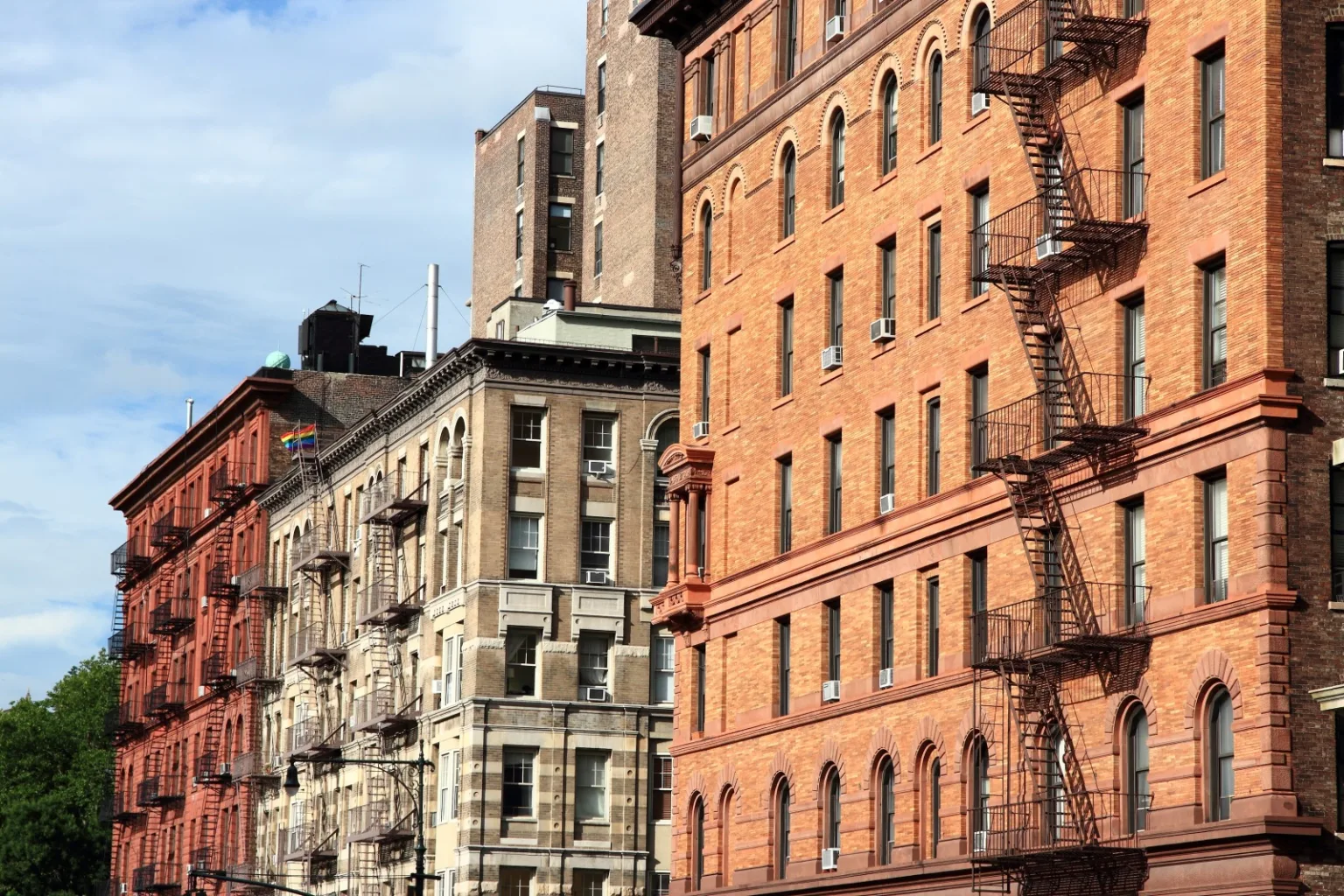
New York’s rent stabilization laws regulate rent increases and eviction rights in approximately one million apartments across New York City, primarily in buildings constructed before 1974 with six or more units. These laws are most common in neighborhoods such as Park Slope, Astoria, the Upper West Side, and throughout Brooklyn and Queens.
While rent stabilization is designed to promote housing stability and affordability, it frequently gives rise to disputes over rent increases, lease renewals, succession rights, and eviction proceedings.
Overview of Rent Stabilization in New York
Rent-stabilized apartments are subject to statutory protections that limit a landlord’s ability to increase rent or remove a tenant without cause. The framework was significantly reshaped by the Housing Stability and Tenant Protection Act of 2019 (HSTPA), which remains fully enforceable today. Key features include:
Rent Increase Caps
- Annual rent increases are set by the New York City Rent Guidelines Board, typically ranging between 2% and 5%, depending on the year and lease term.
Permanent Stabilization
- Under current law, rent-stabilized units cannot be deregulated based on rent level or tenant income. Prior pathways to deregulation (such as high-rent vacancy deregulation) were eliminated.
Eviction Protections
- Tenants are entitled to lease renewals and may only be evicted for legally recognized reasons, such as non-payment of rent, substantial lease violations, or nuisance behavior.
Major Capital Improvements (MCIs)
- Landlords may apply for rent increases related to qualifying building-wide improvements. These increases are now capped (generally limited to 2% annually) and subject to heightened scrutiny.
Common Disputes
Rent stabilization frequently leads to litigation and housing court proceedings, including:
- Non-Payment Proceedings
- Illegal Subletting Claims
- Holdover Occupancy
- MCI Challenges
New York vs. Other States
Unlike New York, many states do not impose rent stabilization or rent control laws. In Florida:
- Landlords may raise rents without statutory caps
- Eviction timelines are significantly shorter, often 30–60 days
- Tenants receive fewer procedural and substantive protections
By contrast, a non-payment eviction in New York can take six months to over a year, reflecting the state’s strong tenant-protection framework.
Practical Takeaways
- Landlords must carefully comply with registration, notice, and renewal requirements to avoid overcharge claims and penalties.
- Tenants benefit from strong protections but should understand the limits of those rights and the importance of proper documentation.
- Early legal guidance can help prevent disputes from escalating into costly and prolonged litigation.
If you are dealing with a rent stabilization issue—whether as a landlord or tenant—experienced legal counsel can help you understand your rights, navigate compliance, enforcement, and dispute resolution. Reach out to us today.
This post is for informational purposes only and does not constitute legal advice.